Bicycle Fit
Aligning the machine to the rider.
Understanding Fit
A proper bicycle fit is essential for preventing discomfort, reducing the risk of injury, and improving overall riding efficiency. It involves adjusting the bicycle's components to match the rider's physical dimensions and riding goals.
Key Adjustment Areas
The three primary contact points between the rider and the bicycle dictate the fit: the pedals, the saddle, and the handlebars.
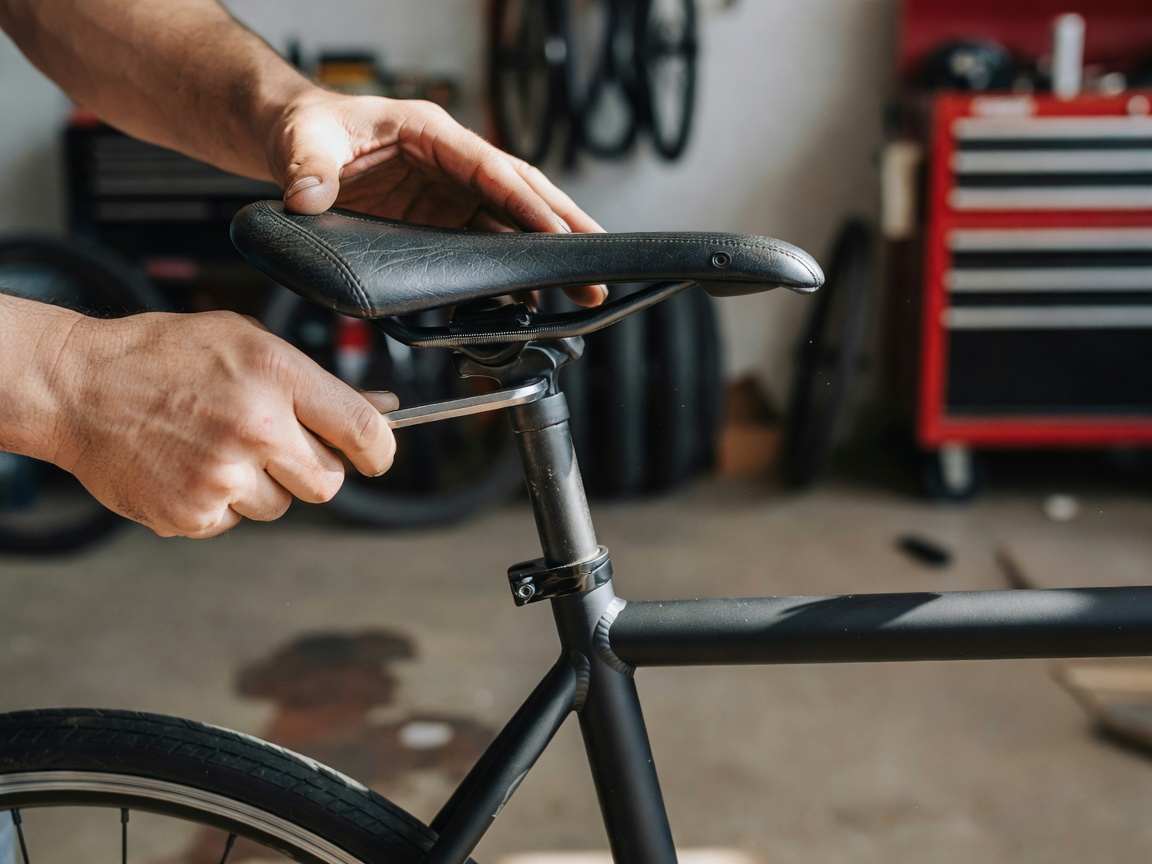
- Saddle Position: Height and fore/aft position determine leg extension and knee alignment over the pedal spindle.
- Handlebar Reach & Drop: This dictates torso angle, weight distribution between hands and saddle, and overall upper body comfort.
- Foot Alignment: Correct placement on the pedal affects power transfer and joint tracking.
Riding Style Considerations
An aggressive, aerodynamic position for road racing will differ significantly from the upright, relaxed posture required for city commuting or the stable, balanced stance needed for mountain biking. Fit is contextual to the discipline.